
 4 hours ago
1
4 hours ago
1
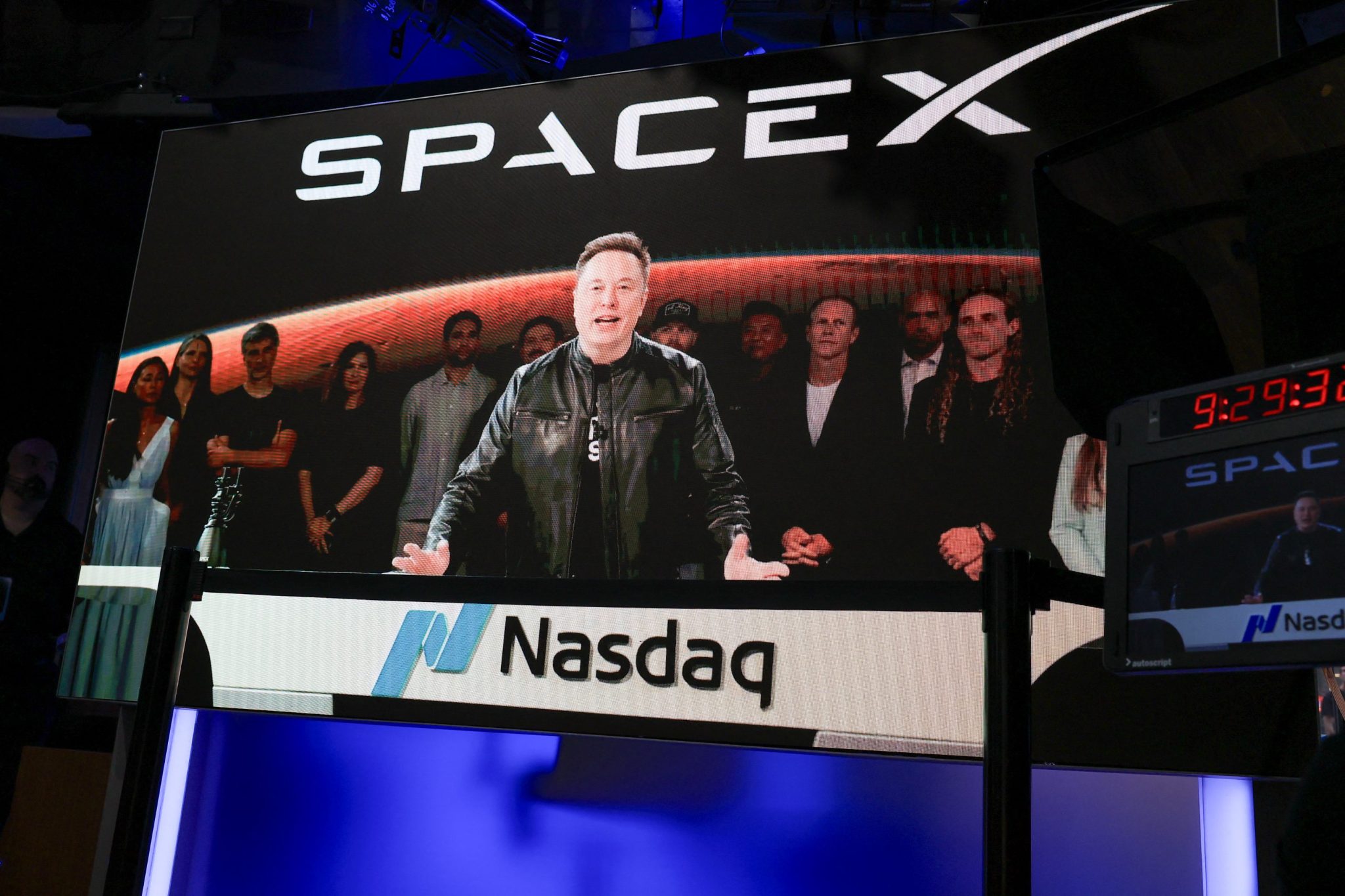
At SpaceX’s market debut on June 12, the perfect trade already looked obvious. Shares priced at $135, valuing the company at roughly $1.8 trillion, and closed near $161, pushing its market capitalization above $2.1 trillion. Four days later they reached $225.64, and for one brief week the chart resembled the trajectory of one of the company’s own rockets.
Then gravity returned.
Seven weeks later, SpaceX trades below $110, far below its IPO price. More than $1 trillion of market value has evaporated from the peak. Most employees could do nothing but watch because their pre-IPO shares remained locked up.
In hindsight, the right trade is obvious. In real time, it never is.
What makes SpaceX different isn’t simply the size of the IPO. It is the scale of wealth it transferred into the hands of employees. Few public offerings have created so many paper millionaires so quickly. A position worth $50 million may look life-changing, but it is still only paper wealth. Before a single share can be sold, market volatility, taxes and trading restrictions will determine how much of that fortune actually survives.
Unlike a traditional IPO, there is no single day when employees suddenly become liquid. SpaceX replaced the familiar 180-day cliff with staggered release dates that rese...











 English (US) ·