
 14 hours ago
1
14 hours ago
1
Shoulder training usually leans heavily on military presses and a mix of dumbbell raises, which can feel productive in the moment but often miss the bigger picture. Those movements tend to emphasize the larger, more visible muscles while smaller stabilizers like the rotator cuff and upper back get overlooked. Over time, that imbalance can show up as stiffness or limited range of motion, and your shoulders may feel less strong or reliable than they should. After 50, restoring strength becomes less about lifting heavier weights and more about ensuring the entire shoulder complex works together.
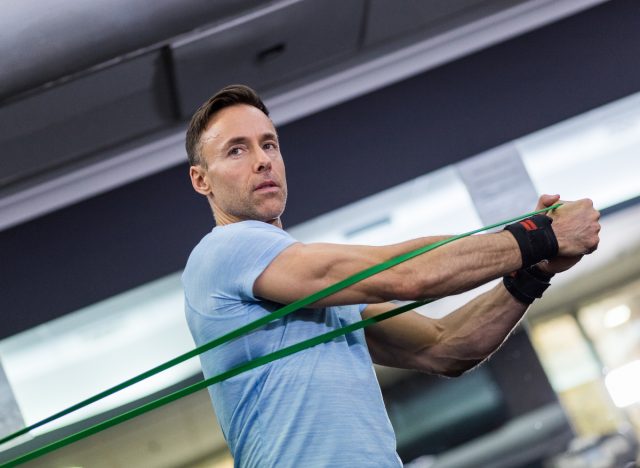
That’s where standing cable and band work start to separate themselves. These tools allow your shoulders to move more naturally while keeping steady tension on the muscles that support each rep. From my experience coaching clients over the years, shoulder progress improves when we move away from fixed patterns and focus on how the joint actually moves. Read Entire Article










 English (US) ·